
What to Know Before You Store: A Friendly Guide to Storing Smartly
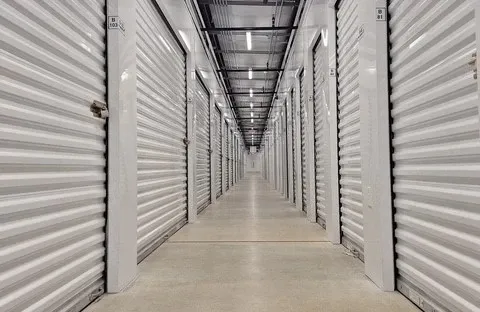
As you pack your belongings, finding the perfect self storage solution is often the next logical step. Creating a smooth, worry-free experience starts with understanding a few simple guidelines that keep your items, and everyone in our community, safe and well cared for.
Self storage is a wonderful extension of your home or office, and knowing what works best in a storage environment helps you get the most out of your space. By familiarizing yourself with Bluebird Self Storage's guidelines, you can enjoy total peace of mind from day one.
We'd love to walk you through our storage guidelines, sharing the "why" behind each one. From hazardous materials to perishable goods, understanding these practices helps us create a reliable, comfortable environment for every tenant in our community.
Understanding Safety Standards for Your Peace of Mind
Safety standards are the backbone of a high-quality storage facility. When everyone follows our storage guidelines, the risk of accidents — such as fires or pest activity — is significantly reduced for the whole community.
One of the most effective ways we maintain these standards is through climate control. Unlike basic heated units that are effective only in winter, climate control maintains a consistent temperature year-round, which is vital for sensitive items like wooden furniture or electronics. To further enhance your experience, we prioritize the following secure storage features:
- Transparent Lease Agreements: We believe in clear communication with no hidden fees, so you always know exactly what to expect from day one.
- App-Based Access: Modern security means using technology like Nokē for app-based, secure entry that tracks who enters the facility.
- 24/7 Monitoring: Round-the-clock surveillance works hand-in-hand with our rules to deter unauthorized activity.
Items That Require Special Handling or Alternative Storage
When it comes to hazardous materials, a little extra care goes a long way. Items that are flammable, explosive, or corrosive aren't a good fit for an enclosed storage environment. Even a small leak can lead to dangerous fumes or fire hazards that could affect the entire building and your neighbors' belongings.
Items that are best kept out of your unit include:
- Combustibles: Gasoline, propane tanks, kerosene, motor oil, and charcoal lighter fluid.
- Pressurized Canisters: Scuba tanks, fire extinguishers, and aerosol cans, which can burst under pressure changes.
- Explosives: Fireworks, ammunition, and black powder are never allowed on-site.
- Chemicals: Pool chemicals, paint thinners, and certain strong cleaning solvents.
If you have any of these items, your local community likely has hazardous waste disposal programs that offer a safe and responsible option for handling them.
Keeping Your Unit Fresh and Pest-Free
Maintaining a clean, fresh environment is something we all benefit from. Food items — including bags of pet kibble and birdseed, are the leading cause of pest issues in storage facilities. Even when sealed in plastic, scents can attract rodents and insects, which can then make their way into neighboring units and affect stored belongings.
Similarly, living organisms have no place in a storage unit. This includes:
- Plants: They need light and water, which can contribute to moisture and mold challenges inside a unit.
- Animals: Storage spaces simply aren't suited for any living creature.
- Humans: Storage units aren't zoned for residential use, they're designed for your belongings, not for living in.
Pro Tip: Before storing kitchen appliances like microwaves, refrigerators, or toasters, give them a good cleaning to remove any crumbs or food residue. Your future self will thank you!
Niche and Specialty Items: A Few Extra Considerations
While we offer robust security, some items are better kept in your personal possession or a specialized safety deposit box. Irreplaceable documents, such as original birth certificates, passports, or high-value currency and jewelry, fall into this category. For everything else, we highly recommend reviewing our self storage insurance guide to verify that your allowed valuables are fully protected.
Specialty regulations also apply to motorized equipment. If you are storing a motorized vehicle, it must be registered, insured, and the fuel tank must be emptied to satisfy safety protocols. Additionally, storing large quantities of tires is often restricted due to fire safety regulations and disposal difficulties. Always check with your local facility manager before bringing in automotive parts or machinery.
Give Yourself Room To Breathe with Smart Planning
The key to a successful storage experience is organization. Instead of cramming items to the ceiling, give yourself room to breathe. Proper airflow is essential for keeping your items in top condition. Use our unit size guide to ensure you have enough square footage to create a center aisle, allowing you to reach items at the back without hassle.
To make the most of your space:
- Label Everything: Use clear, descriptive labels on all sides of your boxes.
- Heavy Items Low: Always place heavier bins on the bottom to prevent tipping.
- Flexible Solutions: Take advantage of our month-to-month lease options, allowing you to scale your space up or down as your needs change.
If you are ever unsure whether an item is permitted, don't hesitate to reach out to our local staff. We are here to provide expert guidance and ensure you are storing belongings properly.
Ready to get started? Contact us today to find the right storage space for your needs!